Table Of Content

One cable comes from the accelerator pedal, and one from the actuator. Cruise control offers several benefits to drivers, especially during long road trips or highway driving. As mentioned, cruise control may become inconsistent in rainy, snowy, or otherwise hazardous conditions. If you must drive in this situation, it may be a better idea to do so manually.
Wheel Alignment vs. Balance: What’s the Difference?
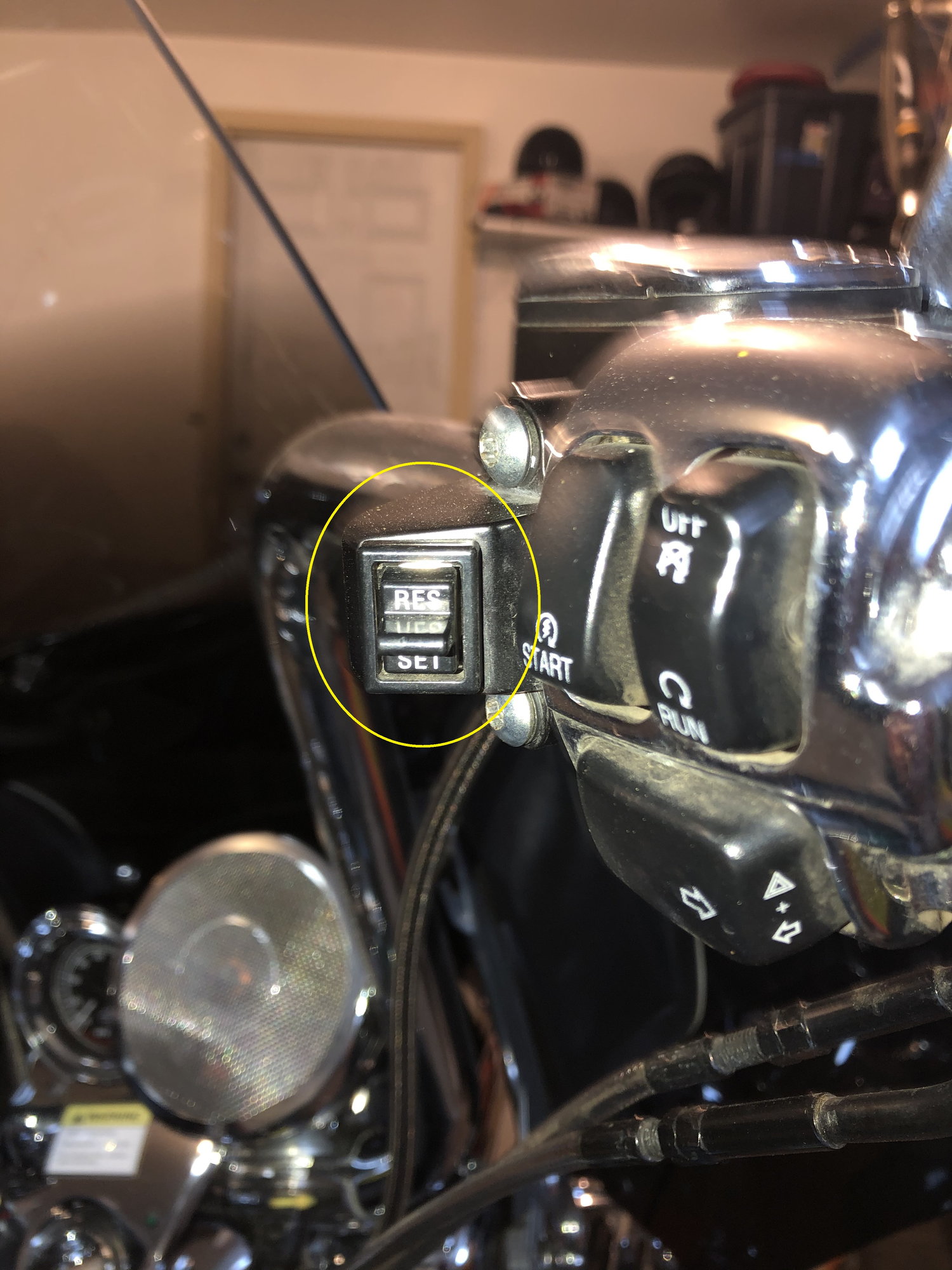
They are usually placed for easy operation by one of the driver’s thumbs. For example, until recently, Mercedes-Benz put the operational controls for its cruise system on a separate stalk below the turn-signal stalk on the left-hand side of the steering column. One potential downside to using cruise control is that it can result in the driver having a reduced reaction time when they must respond quickly to an unexpected situation on the road.
Cruise control when it’s raining
The time and attention it takes to disengage the cruise control in these situations could lead to a crash. Adaptive cruise control is similar to conventional cruise control in that it maintains the vehicle's pre-set speed. However, unlike conventional cruise control, this new system can automatically adjust speed in order to maintain a proper distance between vehicles in the same lane.
How To Repair Your Car Roof After Hail Damage
Tesla’s FSD Beta represents a leap forward in autonomous driving technology. It’s not just a cruise control system but an advanced driver-assistance system capable of navigating complex driving scenarios. Key features include automatic lane changes, stop sign and traffic light recognition, and the ability to navigate city streets.
Comfort and Convenience
It can be especially helpful in today’s driving climate as average-speed cameras are becoming increasingly common. With over 16 years of expertise, Andrei leads Driving-Tests.org, a top online resource for driver education. His leadership has established vital partnerships with over 2,600 libraries, educational bodies, and state agencies. Kelley Blue Book® Values and pricing are based in part on transactions in your area. Your ZIP code also helps us find local deals and highlight other available offers. Have you ever been confused as to the sounds coming from your vehicle when you brake?
Adaptive Cruise Control (ACC)
When used correctly, cruise control can contribute to safer driving. By maintaining a steady speed, it reduces the likelihood of erratic driving behavior and potential accidents. However, it is important to note that cruise control shouldn't be used in certain conditions, such as heavy traffic or slippery roads. Predictive Cruise Control is like the fortune teller of cruise control systems. It uses GPS and map data to see into the future and predict what's coming up on the road, like hills or curves, and adjusts your speed accordingly. This means you get a smoother ride and better fuel efficiency, but it all depends on the quality of the GPS and map data.
Cruise control on city streets? It has its fans: Roadshow - The Mercury News
Cruise control on city streets? It has its fans: Roadshow.
Posted: Thu, 14 Jan 2021 08:00:00 GMT [source]
Wet or Icy Conditions
It should explain if your car has cruise control and how to use it. The Range Rover Evoque is a luxurious, stylish, and powerful SUV that comes with a range of incredible features included. It also comes with a range of features such as a panoramic sunroof, heated seats, and a sophisticated infotainment system. Dynamic Cruise Control is a great feature for those who often drive on the highway. Once finished, press the Cruise Control switch again to deactivate the system.
The 2018 Nissan Leaf has three types of cruise control: how they differ - Green Car Reports
The 2018 Nissan Leaf has three types of cruise control: how they differ.
Posted: Thu, 21 Sep 2017 07:00:00 GMT [source]
It’s ideal for use on highways and long stretches of road with minimal stops or turns. Additionally, adaptive cruise control provides a button to establish the minimum distance it will accept before responding to the slowing or stopped car in front of it. Usually, the factory offers three or four choices from which you can pick.
Reduces Fatigue
It uses radar to 'see' other vehicles on the road, and automatically modifies speed in order to maintain a safe distance from them. Once cruising, you can adjust the speed with the (SET+) and (SET-) buttons. Holding the button down will increase or decrease speed more quickly.
The Range Rover Evoque’s can button is a convenient feature that enhances the driving experience. For example, they have a memory feature that remembers the last cruise control speed you set. With its cruise control system and other advanced features, the Range Rover Evoque is a great choice for anyone in need of a car with cruise control. The intuitive system will detect changes in speed and terrain and adjust accordingly, providing a stress-free and comfortable ride. You can also adjust the speed up or down and set the distance between you and the vehicle in front of you.
As with so many automotive innovations, cruise control was once the preserve of high-end luxury cars. TransTRACK’s Vehicle Maintenance System is the leading solution for monitoring and maintaining your vehicle efficiently. With this system, you can easily schedule and track routine maintenance, such as oil changes, tire monitoring, brake service, and more. Some ACCs can only slow down slowly by using less throttle, while others can take control of the brakes and actively brake. If it has autonomous emergency braking, you car will stop if the vehicle in front of it suddenly stops.
While this is a wonderful feature, be aware that cruise control can be dangerous on winding roads, in traffic, and on wet slippery, or icy roads. With that being said, here are the uncomplicated steps to set your Cruise Control. If the car in front suddenly speeds off, however, your car won’t routinely follow it. Instead, the ACC system will hold the pre-set speed until you change it, or it catches up with another vehicle.
It also offers a wide range of driver assistance features, including adaptive cruise control, lane keeping assist, and a rearview camera. The steps for using cruise control with these buttons may vary slightly between different makes and models of car. Therefore, it is always best to refer to your vehicle owner’s manual for the exact instructions appropriate to your car. Apart from that, make sure you use cruise control wisely and only in safe road conditions and in accordance with applicable traffic rules. Each system has its strengths and caters to different driving needs and preferences. Tesla’s FSD Beta is at the forefront of autonomy but requires active supervision.
Constantly accelerating and braking will use significantly more fuel than maintaining a set speed. The primary function of cruise control is to make driving more comfortable, but by smoothing out acceleration and deceleration you can save fuel too. Cruise control is an electronic system that enables you to fix a vehicle’s accelerator on a specific speed, so you can take your foot off the pedal. Remember, these systems are here to make your drive smoother and safer, but they're not a replacement for your attention. Heavy, or stop-and-go traffic is not ideal for safely using cruise control.
It can be dangerous to fumble around with unfamiliar buttons while you’re driving. Bad weather that affects road surface traction or visibility may impact its performance. Also, if the forward-looking camera or radar sensors, if equipped, are obstructed in any way, the system will not perform as expected. Adaptive Cruise Control systems may not perform as expected where lighting is poor or when following vehicles with unusual shapes. Some of today’s cars are equipped with adaptive cruise control (ACC). According to the Department for Transport, driving at a steady speed of 50 mph instead of 70 mph can improve fuel economy by 25%.


No comments:
Post a Comment